
We invest our flexible loan capital creatively and intentionally to generate opportunities for people with low incomes and remove systemic barriers to help them thrive.
Lowell Community Health Center provides high quality, culturally competent, affordable health services to individuals and families who are medically underserved, uninsured, and low-income. With this loan, the Health Center provides new dental and vision services to their patients. It also increased adult health services and consolidated administrative offices into one locale. The health center serves more than 25,000 patients, annually.
Read more about this project


Community Economic Development Center (CEDC) is completing a three phase renovation of a historic movie theater in New Bedford’s downtown Transformational Development Initiative District. The property’s renovation will serve to activate a vacant community building on a prominent commercial corridor in an underinvested neighborhood. This phase of the green adaptive reuse initiative will create 6 units of affordable rental housing and 5,200 square feet of ground floor retail / commercial space.
Read more about this project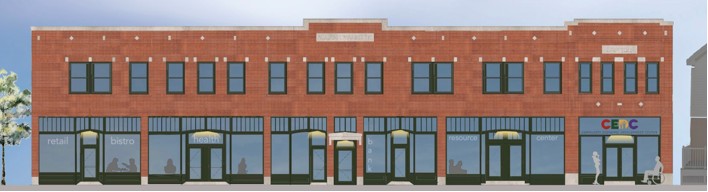
Victory Programs is acquiring an existing Single Room Occupancy (SRO) property at 16 Williams Street in Brookline, MA. The property was owned by a nonprofit organization serving adults with disabilities, and the City of Brookline selected Victory Programs to ensure the property is preserved as affordable supportive housing. The property will house 10-12 individuals/families in recovery who are being reunited with their children.
Read more about this projectPennrose is developing 48 units of mix-income affordable rental housing on a parcel of land owned by the town of Chatham, on Cape Cod. The 2.9 acres parcel at 1533 Main Street in Chatham was purchased by the Town in 2022 and Pennrose was selected to develop affordable and workforce housing on the site.
Read more about this project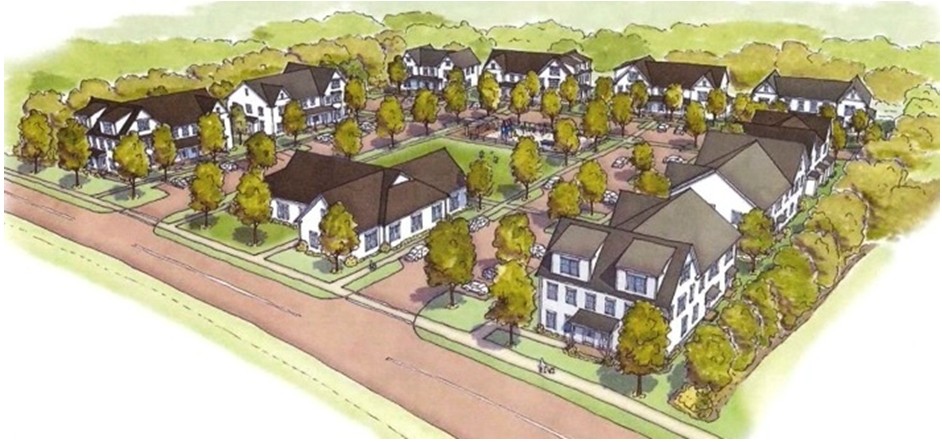
The Hillsboro Live/Work Condominiums project consists of 21 new for-sale residential units in a four-story building. All units will be affordable and a preference for Boston- Certified Artists will apply to 18 of the units. This project is an extension of the effort New Atlantic undertook to preserve the adjacent Humphreys Street Studios buildings – a commercial artist studios property that serves approximately 45 artists and creative small businesses, most of whom are low and moderate-income.
Read more about this project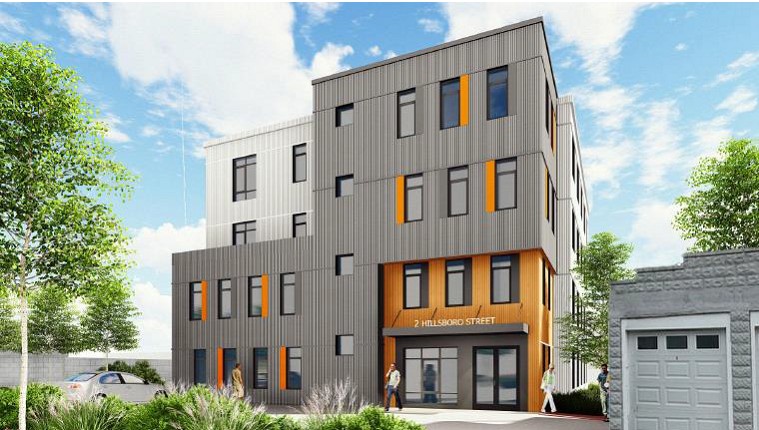

Financing supported the preservation of and the increase in affordable units at this 204-unit, mixed-income rental development, in Amherst.


Manufactured home community residents own their homes, but rent the land they occupy, exposing them to rising rents and displacement when land is sold. With ROC USA support, residents of the Wayside Mobile Home Community organized to purchase the community’s land from its owners. This financing preserved affordability for more than 60 homeowners.

44 Gerrish Avenue was an integral part of Chelsea’s Box District revitalization. For decades, an abandoned industrial building covered most of the site. The redevelopment created 46 units, with 42 newly built using modular construction, and 4 units in the existing brick building.


Founded in 1974, the Health Center improves the health and well-being of the communities it serves by providing quality, comprehensive, coordinated care. Its patients are 94% low-income, 80% racial and ethnic minorities, and 53% require translation. In 2012, the Health Center was at its capacity, serving 12,000 patients annually. Its new, expanded Health Center (48,000 SF) increased patient visit capacity and improved patient care.

The redevelopment of Edmands House rehabilitated all of its 190 units and preserved the long-term affordability of 171 of the 190 units. Ninety-eight of the units are restricted to households earning no more than 30% of area median income, 34 at or below 60% of area median income, 39 at or below 80%, and 19 are unrestricted.

WBDC purchased the vacated Telegram & Gazette buildings for the purpose of revitalizing a key property in Worcester’s Central Business District. Financing supported the renovation of this historic property to house Quinsigamond Community College’s Allied Health and Training and Education Center.

This loan provided for the acquisition of two parcels of land totaling 1.23 acres on North Main Street in Brockton, and the development of the first phase of a two-phase project. Phase 1, known as Montello Welcome Home, created 22 new housing units for high priority families and individuals experiencing homelessness, 10 veterans, 10 individuals and 2 families.
Parcel 24 was a 1.5-acre vacant site in Boston’s Chinatown across from The Rose Kennedy Greenway. Project sponsors constructed a 10-story, 95-unit affordable housing development with 4,800 SF of first floor commercial space.

Smith House is a twelve-story, high-rise, elderly-housing building with 100% of the 132 one-bedroom units occupied by low and moderate-income households. This loan repaid existing debt and financed preventative maintenance while Madison Park prepared its plan to undertake a comprehensive renovation of the 40+ year-old building, extending its life as an affordable elderly housing development.


Dating back to the 1870s, 35-37 Medford Street holds historic significance for its role in Somerville’s meatpacking industry. The property originally served as horse stables and office space for a meatpacking company. It is now fully converted to 50,000 SF of office space. Financing allowed btcRE to acquire and upgrade the building to increase tenant occupancy.

