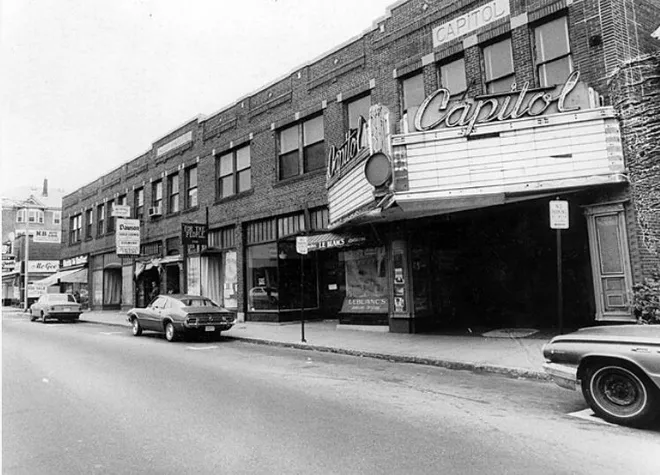

When the historic Capitol Theater first opened its doors in 1920, it served as a gathering place for New Bedford's North End. Decades after the theater closed and the building sat vacant, the Community Economic Development Center (CEDC) is leading an ambitious effort to restore the landmark and transform it into a vibrant community asset once again.
Since 1997, CEDC has served as a trusted community hub for New Bedford’s North End residents, connecting people with life-line services and opportunities to build skills and businesses. In a neighborhood where many residents are immigrants and working families, and more than half speak a language other than English at home, CEDC provides accessible, multilingual support grounded in deep relationships within the community. The Capitol Theater Project builds on this role, creating a permanent home for CEDC as well as other important resources.
Located within New Bedford's Transformational Development Initiative (TDI) District, the Capitol Theater Project is a multi-phase, $25 million redevelopment that combines historic preservation, affordable housing, commercial space, workforce development, and community services under one roof. Designed as a Community Resilience Hub, the project reflects a comprehensive vision for strengthening both the neighborhood and the people of New Bedford who call it home.
CEDC acquired the long-vacant property in 2019 with support from the City of New Bedford's Community Preservation Fund. While the COVID-19 pandemic temporarily delayed redevelopment efforts, CEDC continued working with community partners to refine a plan that responds to neighborhood needs while creating a financially sustainable future for the property.
Preserving History While Building for the Future
The project extends well beyond restoring a historic building. Once complete, the Capitol Theater will include six affordable apartments for households earning up to 60% of the area median income, office space, neighborhood-serving retail, a health center, a credit union, immigration legal services, as well as offices for CEDC. The final phase will convert the theater itself into a community resilience hub featuring a shared-use commercial kitchen, vocational training classrooms, event space, and a weekly market supporting local food entrepreneurs and artisan vendors.
Sustainability is embedded throughout the redevelopment. The adaptive reuse project preserves the building's historic structure while incorporating all-electric systems, high-performance building materials, green roof technology, stormwater management, renewable solar energy, and other resilient design features that align with Massachusetts' long-term decarbonization goals.
Creating Lasting Community Impact
CEDC's redevelopment strategy is grounded in years of community engagement. Through its Futures Survey and ongoing work with residents, the organization identified priorities including workforce development, vocational training, and expanded economic opportunity. Those findings are already shaping pilot programs that will eventually move into the completed Capitol Resilience Hub. As a trusted nonprofit serving more than 360 walk-in clients each week, CEDC has built deep relationships within the community while supporting small businesses through multilingual technical assistance, business incubation, and entrepreneurship programs.
Development is taking place in carefully planned phases, utilizing local, state, federal, philanthropic, and historic preservation funding. The completed first phase stabilized the historic structure after more than four decades of vacancy, including extensive structural repairs, masonry restoration, stormwater improvements, and installation of an innovative blue-green roof system. Future phases will activate the building with housing, commercial uses, and the Community Resilience Hub while continuing restoration of the historic theater.
PCI’s predevelopment financing will help advance the second phase of the Capitol Theater Project. Once complete, the project will provide affordable housing, expand access to essential services, support local entrepreneurs, strengthen workforce development, and establish a resilient community resource that will serve New Bedford residents for generations to come.